
Why One Security Measure Is Not Enough To Protect Your Property
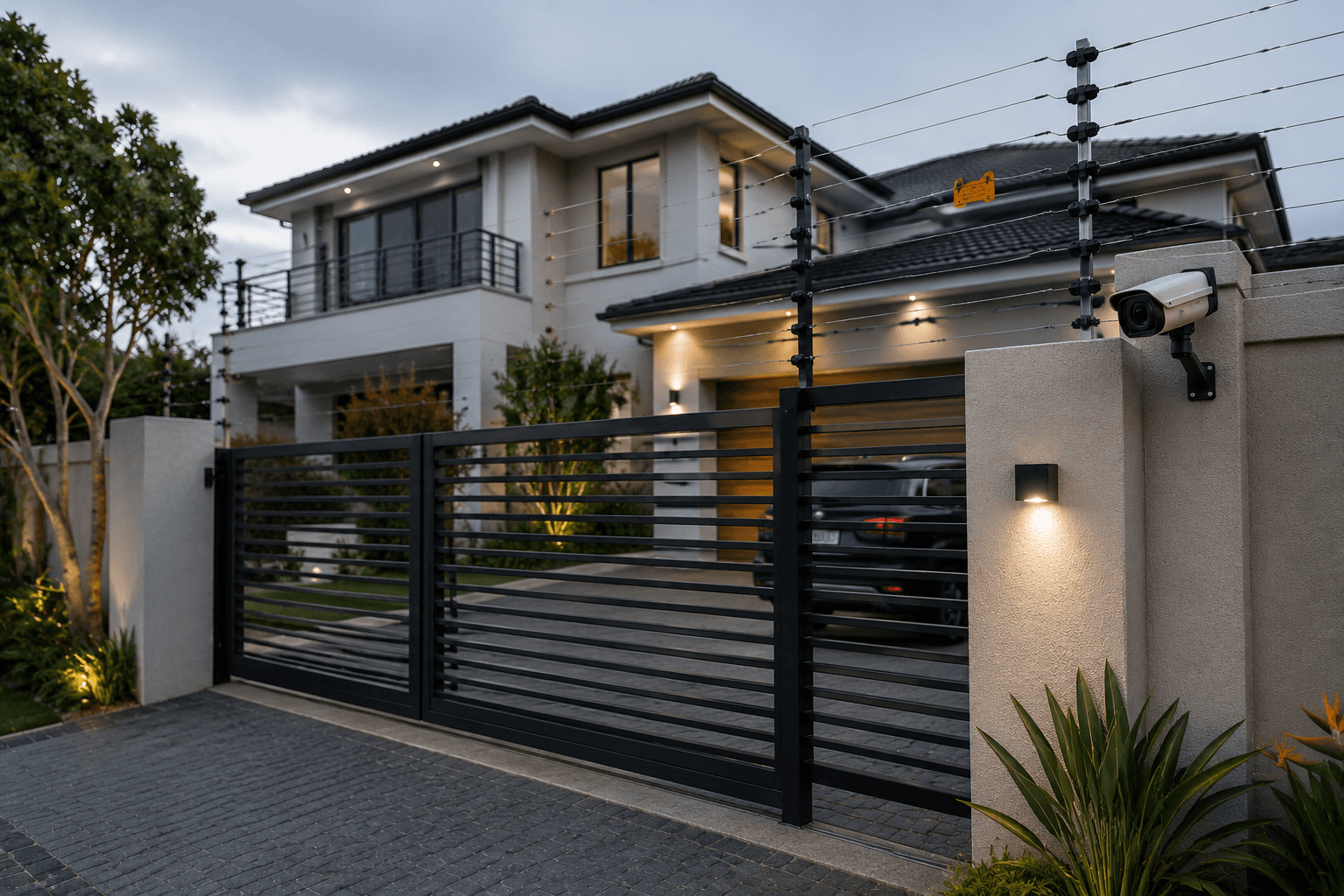
When it comes to protecting your home or business, many people focus on one security measure and hope it will be enough. Some rely on cameras. Others rely on electric fencing, an alarm system, strong gates or armed response.
Each of these security measures has value, but on its own, none of them can do everything.
A camera can show you what happened, but it cannot physically stop someone. An electric fence can act as a deterrent, but it still needs to be maintained. An alarm can detect an activation and send a signal so that the event can be assessed. Armed response is extremely important, but it works best when supported by reliable detection and clear information from the property.
That is why layered security is so important.
What is layered security?
Layered security means using more than one method to protect a property. Instead of depending on a single system, you create multiple levels of protection that work together.
A strong security setup may include:
- Secure gates and locks
- Electric fencing
- Outdoor beams
- Alarm detection
- Panic buttons
- CCTV cameras
- CCTV monitoring
- Armed response
- Good lighting
- Clear communication with your security company
Each layer plays a different role. Some layers help prevent access. Some detect movement. Some provide visibility. Others provide information that can help the situation be assessed when something happens.
When these layers work together, your property is far better protected.
Deterrence is the first layer
The first goal of security is to make your property less attractive to criminals.
Visible cameras, electric fencing, security signage, strong gates and good lighting can all act as deterrents. They show that the property is protected and that suspicious activity is more likely to be noticed.
Criminals often look for easy opportunities. A poorly lit property with no visible security may look like a softer target than one with clear security measures in place.
Deterrence does not guarantee that nothing will happen, but it can help reduce the risk.
Detection is the second layer
If someone does enter your property, the next important layer is detection.
This is where alarms, outdoor beams, door contacts, motion sensors and panic buttons become important. These systems help alert you and your security company when something is wrong.
Detection needs to be reliable. If sensors are faulty, beams are blocked or alarm zones are not working properly, your system may not perform when you need it most.
That is why regular testing and maintenance are essential.
Visibility is the third layer
CCTV adds visibility to your security setup.
Cameras can help monitor entrances, driveways, garages, outdoor areas, business premises and parking areas. When monitored correctly, CCTV can help identify suspicious activity and provide valuable information during an incident.
Instead of only knowing that an alarm has been triggered, the control room may be able to see where the movement is happening and what type of situation they are dealing with.
This can support a more informed response.
Response is the final layer
Once a threat is detected, response becomes the most important part of the process.
Armed response provides a monitored response option where a property check may be requested or a response may be dispatched depending on the circumstances. A response team can check the property, investigate suspicious activity and assist during emergencies.
However, response works best when the earlier layers are doing their job. If an alarm sends a clear signal, cameras provide useful visibility and your contact details are up to date, the response process becomes more effective.
Why businesses need layered security
Businesses often have more than one area to protect. Stock rooms, offices, reception areas, delivery entrances, parking areas and perimeter gates may all need attention.
A single camera or alarm may not be enough to cover every risk.
Layered security can help protect:
- Staff
- Customers
- Equipment
- Stock
- Vehicles
- Cash handling areas
- After-hours premises
- Access points
For businesses, security is not only about preventing crime. It is also about creating a safer environment for staff and visitors.
Why homes need layered security too
At home, security should protect both property and people.
A good home setup can help protect your family, vehicles, garden equipment, garage, outdoor areas and living spaces. It can also provide peace of mind when you are sleeping, away on holiday or leaving children, elderly relatives or pets at home.
Panic buttons are especially important in residential security, as they provide a direct way to request help in an emergency.
Small gaps can weaken the whole system
A security setup is only as strong as its weakest point.
You may have cameras, but if they do not cover the driveway, you could miss important movement. You may have an alarm, but if the battery is weak, it may not perform during a power outage. You may have a gate, but if it is left open or faulty, it creates an easy access point.
Regular checks help identify these gaps before they become serious.
Review your security before something happens
Many people only review their security after an incident. By then, the weakness has already been exposed.
It is far better to review your property regularly and ask:
- Are all entrances properly secured?
- Are cameras covering the right areas?
- Are alarm zones working?
- Are panic buttons accessible?
- Is outdoor lighting good enough?
- Are contact details up to date?
- Are there any blind spots?
- Has anything changed on the property?
A simple review can help you make better security decisions.
For assistance with your home or business security, contact Premier Security on 021 701 9955.
Your Security Is Our Business.