
Is Your Alarm System Actually Ready When You Need It?
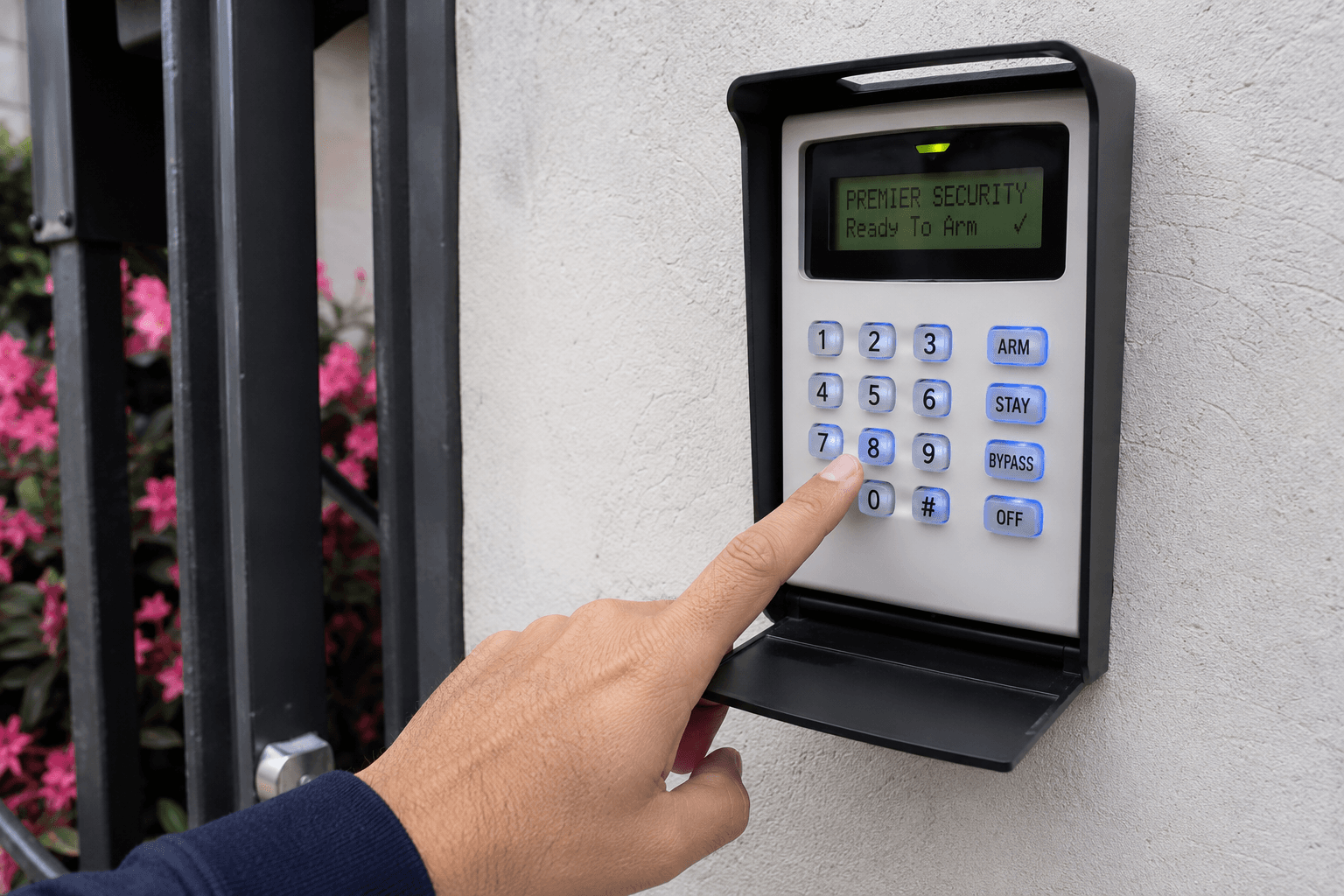
When most people think about home security, they think about installing an alarm, adding beams, putting up cameras or signing up for armed response. These are all important parts of protecting your property, but there is one security habit that is often forgotten: making sure your system is actually working properly.
An alarm system needs to be able to detect an activation and send the relevant signal so that the event can be assessed. If a battery is weak, a sensor is faulty, a panic button is not working or your contact details are outdated, you may only realise there is a problem when you need the system most.
That is why regular alarm checks and security maintenance should be part of every home and business security plan.
Why alarm maintenance matters
Your alarm system works in the background every day. Because you may not physically interact with every part of it often, it is easy to assume everything is still working as it should.
Over time, small issues can develop. Batteries lose strength, outdoor beams are affected by weather, remotes can wear out, panic buttons can stop responding, and wiring or sensors may become faulty. Even something as simple as a changed phone number can create a delay if the control room needs to contact you after an activation.
Regular maintenance helps identify these issues before they become a problem.
Common alarm problems to look out for
There are a few warning signs that your alarm system may need attention:
- Your alarm panel shows a fault or warning light.
- Outdoor beams trigger false alarms often.
- Certain zones do not activate properly.
- Your remote or panic button only works sometimes.
- Your siren sounds weak or does not activate.
- You have not tested your alarm signal in a long time.
- You recently changed your phone number or emergency contact details.
- You have had electrical work, renovations or gate work done on the property.
These may seem like small issues, but they can affect how quickly a threat is detected and how smoothly a response is handled.
The importance of a working panic button
A panic button is one of the most important parts of a security setup. Unlike an alarm activation, which may need to be verified, a panic signal often indicates that someone needs urgent assistance.
For that reason, panic buttons should be tested regularly and kept in accessible places. Everyone in the home or business should know where the panic buttons are and when to use them.
It is also worth checking whether your panic buttons are still easy to reach. A panic button hidden in a drawer, packed away during cleaning or left in a vehicle is not much help during an emergency.
Why your contact details matter
When an alarm signal is received, the control room may need to contact you to verify the activation or gather more information. If your details are outdated, valuable time can be lost.
Make sure your security company has your correct:
- Cellphone number
- Alternative contact number
- Emergency contacts
- Keyholder information
- Property access instructions
- Business opening and closing times, where applicable
If you have recently moved, changed staff, changed tenants or updated access arrangements, your security provider should be informed.
CCTV and alarm systems should work together
CCTV can be a powerful addition to an alarm system. Cameras help provide visibility, while alarms help trigger a response. When these systems are properly set up and monitored, they can work together to improve both detection and response.
For example, if an outdoor beam is triggered, camera footage may help confirm whether there is a real threat. CCTV information can also help response personnel understand what is happening at the property when a response is required.
However, cameras also need maintenance. Dirty lenses, poor angles, weak night visibility or blocked views can reduce their effectiveness. As with alarms, CCTV should be checked regularly to ensure it is still doing the job it was installed to do.
Security is not a once-off installation
Installing a security system is a strong first step, but security is not something you set up once and forget about.
Your property changes over time. Trees grow, walls are extended, gates are replaced, pets move around the property, new staff members are added and routines change. Your security system should keep up with those changes.
A setup that worked perfectly a few years ago may no longer provide the same level of protection today.
A simple security checklist
Regular checks can help identify faults or maintenance issues before they affect the system:
- Test your alarm and confirm signals are being received.
- Check that panic buttons are working.
- Make sure remotes are responding properly.
- Look for fault lights on the alarm panel.
- Check that outdoor beams are not blocked by plants or objects.
- Make sure cameras are clean and correctly positioned.
- Confirm that your contact details are up to date.
- Review who has access to your property.
- Check that gates, locks and electric fencing are in good working order.
- Report any faults before they become urgent.
These small checks can make a big difference in an emergency.
Premier Security can assist
Premier Security provides armed response, security system support, CCTV monitoring and security solutions for homes and businesses.
Our team can assist with checking your alarm system, reviewing your current setup, updating your contact details and helping you identify areas where your property security can be improved.
Whether you are protecting your home, business or community space, a reliable security system depends on proper maintenance and equipment that is operating as intended.
For assistance with your alarm system, CCTV, armed response or general security setup, contact Premier Security on 021 701 9955.
Your Security Is Our Business.