
Why CCTV Monitoring Is More Than Just Having Cameras
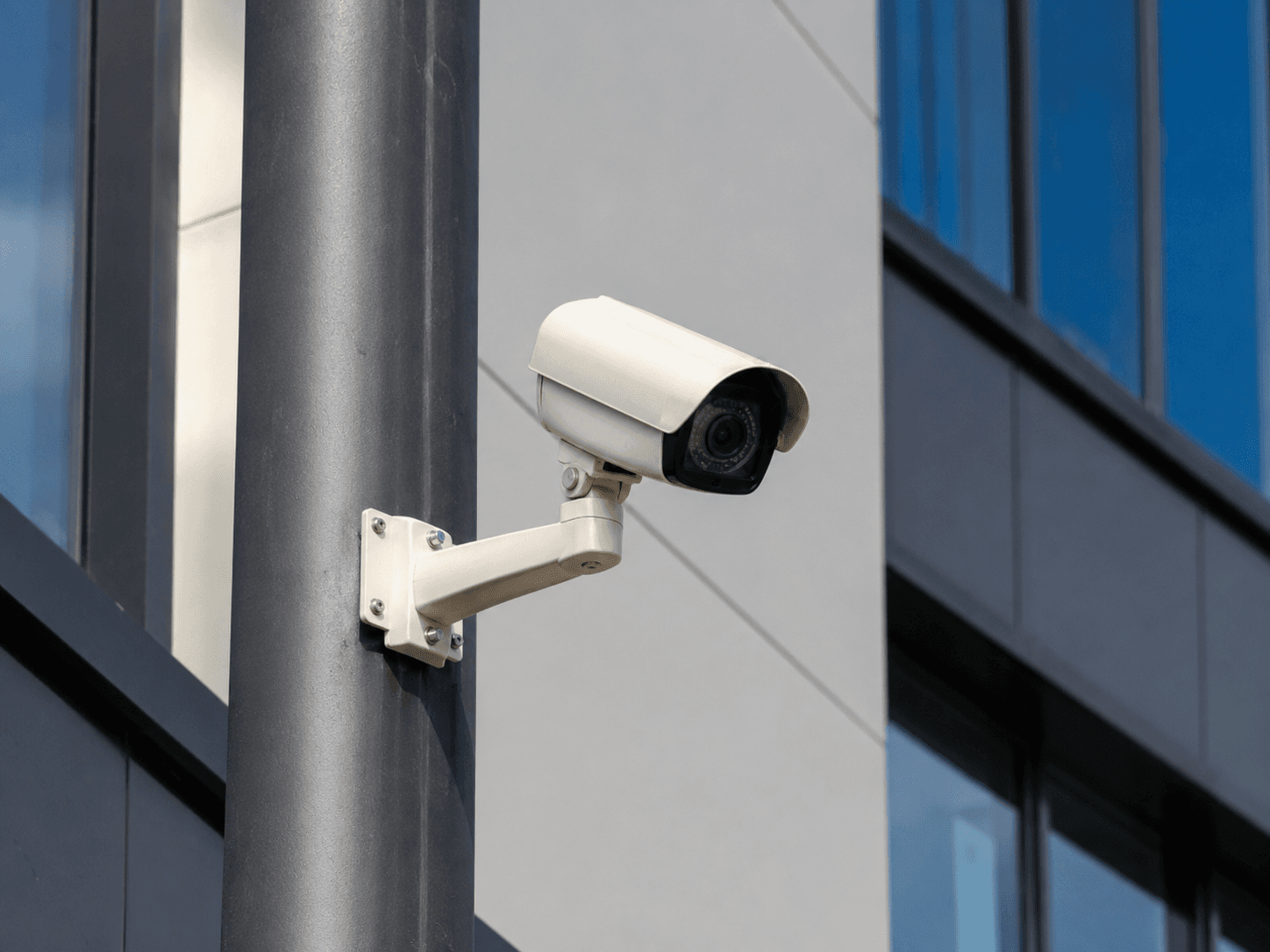
CCTV cameras have become a common part of home and business security. Many properties now have cameras at entrances, driveways, parking areas, reception points and boundary walls. They are useful, visible and can help capture important footage when something happens.
But simply having cameras installed is not always enough.
A camera can record an incident, but it cannot respond on its own. If no one is watching, checking alerts or following up when suspicious activity occurs, CCTV can become something you only look at after the damage has already been done.
That is where proper CCTV monitoring becomes important.
Cameras should help prevent, not only record
One of the biggest benefits of monitored CCTV is that it can help identify suspicious behaviour before it becomes a bigger problem.
For example, a person loitering near a gate, checking vehicles, looking over a wall or moving through a restricted area may be picked up by cameras before an actual break-in takes place. If a camera system is being monitored, CCTV information can help the monitoring team assess what is happening and may support a response where appropriate.
This means CCTV is not only used as evidence after an incident. It becomes part of an active security response.
Why placement matters
A CCTV system is only as effective as the areas it can actually see. Poor camera placement can leave important blind spots around the property.
Common areas to monitor include:
- Driveways
- Front gates
- Pedestrian entrances
- Garages
- Boundary walls
- Parking areas
- Reception areas
- Stock rooms
- Rear entrances
- Outdoor walkways
It is also important to make sure cameras are positioned at the correct height and angle. A camera that only shows the top of someone's head, points into direct sunlight or is blocked by plants will not provide the level of detail you need.
Good CCTV starts with a proper assessment of the property.
Night visibility is just as important
Many security incidents happen after dark, which makes night visibility a key part of any CCTV setup.
A camera may look clear during the day but perform poorly at night. If lighting is too low, too bright or badly positioned, footage can become blurry or overexposed. This can make it difficult to identify people, vehicles or movement.
Outdoor lighting, infrared capability and camera quality should all be considered when setting up CCTV for a home or business.
CCTV and armed response work better together
CCTV becomes far more effective when it is connected to a wider security plan.
When suspicious activity is detected, a monitored camera system can help the control room understand what is happening and where assistance is needed. This can give response personnel better information about what is happening at the property when a response is required.
Where relevant CCTV information is available, response personnel may have more context about whether someone is at the gate, near the garage, in the garden or moving around business premises. This can improve situational awareness by giving the monitoring team more information about what is happening.
Cameras can help reduce false alarms
False alarms can happen for many reasons. Pets, wind, moving branches, insects, faulty beams or even bad weather can trigger alarm activations.
When CCTV is available, the control room may be able to verify what caused the activation. This helps separate genuine threats from harmless movement and allows resources to be used more effectively.
For homeowners and businesses, this provides extra peace of mind. For security teams, it helps create a clearer picture of what is happening on site.
Businesses need visibility after hours
For business owners, CCTV monitoring can be especially valuable after hours.
Once staff have left and the premises are closed, the property may still need to be protected. Stock, equipment, vehicles, tools and business assets can all be at risk if there is no active monitoring in place.
Monitored CCTV can assist with:
- Perimeter activity
- After-hours movement
- Gate and entrance activity
- Suspicious vehicles
- Unauthorised access
- Parking area security
- Staff and visitor safety
This can make CCTV a useful tool for both security and operational visibility.
Homeowners should not rely on cameras alone
For homeowners, cameras can create a strong sense of security, but they should not replace other measures.
A good home security setup may include alarm detection, outdoor beams, electric fencing, panic buttons, armed response and CCTV. Each part plays a different role.
Cameras provide visibility. Alarms provide detection. Panic buttons can provide a way to send an alarm signal when assistance is needed. Armed Response provides a monitored response option.
Together, these layers create a stronger security solution.
Regular CCTV maintenance matters
Like any security system, CCTV should be checked regularly.
A quick maintenance check should include:
- Making sure all cameras are online.
- Checking that lenses are clean.
- Confirming that night vision is working.
- Reviewing camera angles.
- Making sure recordings are saving correctly.
- Checking that alerts are working.
- Removing anything blocking the camera view.
- Testing remote access where applicable.
A camera that is offline, dirty or badly positioned may only be discovered when footage is needed. Regular checks help prevent this.
For CCTV monitoring, armed response or security system support, contact Premier Security on 021 701 9955.
Your Security Is Our Business.