
When Should I Get Camera Surveillance?
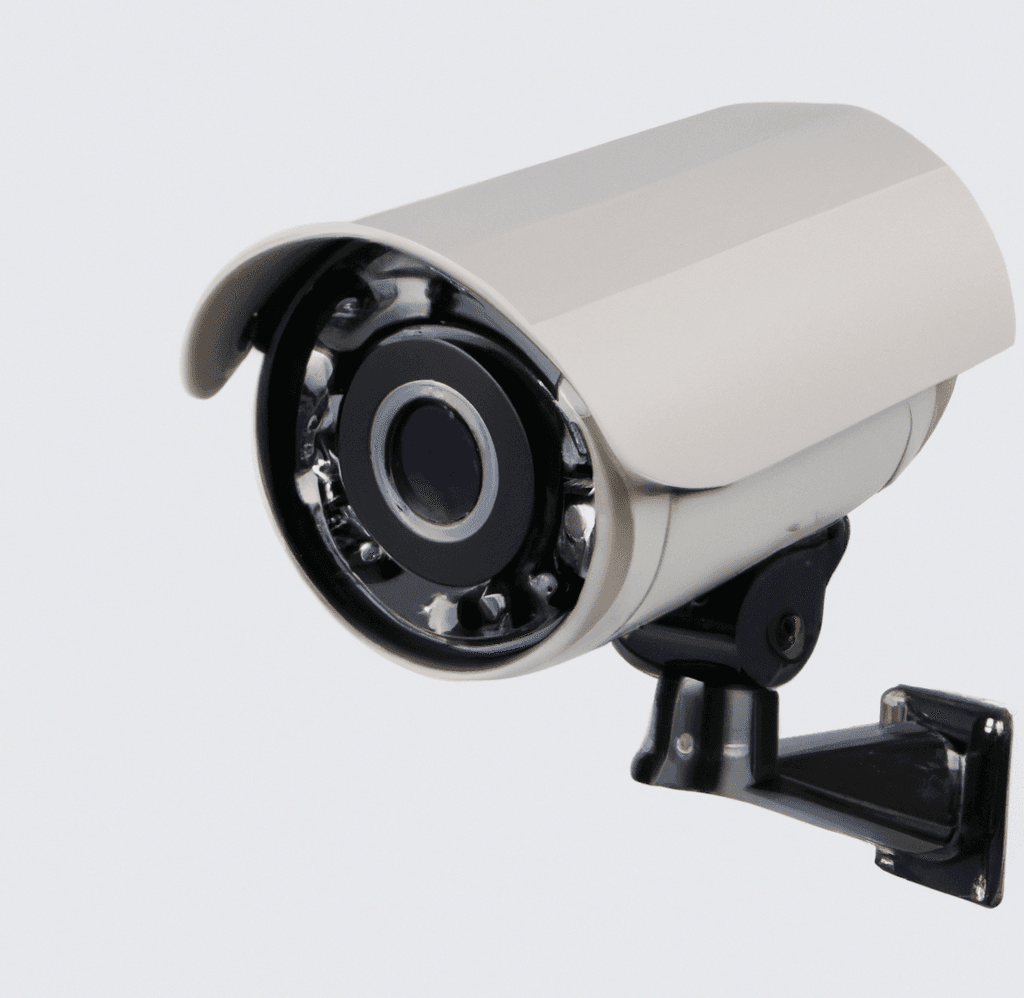
If you are looking to protect a home or business premises, it can be useful to consider a combined approach that includes CCTV and offsite monitoring.
Offsite monitoring, also known as remote monitoring, uses an internet connection to share images from onsite CCTV cameras with an offsite monitoring control room. The information can help operators assess an event and support an appropriate response where the relevant service arrangement applies.
Onsite CCTV camera systems can transmit live video when cameras are triggered to record an event. Systems may use motion, thermal or infra-red detection, or camera analytics.
A CCTV monitoring system can support site awareness and may reduce the need for staff to patrol remote areas. Its effectiveness depends on the design, connectivity, monitoring arrangement and the conditions at the property.
Remote surveillance and cloud storage can provide an additional copy of footage, but equipment, connections and recordings still need appropriate protection and maintenance.
CCTV monitoring can provide an early warning when an event is detected. Any monitoring or response action depends on the circumstances, the information available and the applicable service arrangement.
Two-way communication between staff or clients on site and monitoring operators can help share additional information. Where available, an audio warning may be used as part of an agreed security response.
What you should know about offsite camera surveillance monitoring:
There are different types of surveillance cameras for different sites and security requirements. Camera selection should account for the area to be covered, lighting, connectivity, recording requirements and the intended use of the footage.
Commercial installations can use components selected for low-light, night-vision or infrared conditions. Thermal cameras may assist in low-light areas or where foliage affects visibility. Outdoor cameras need housing suited to their environment.
If surveillance footage is required for licence-plate reading, facial recognition or evidence gathering, select equipment and storage arrangements that suit that purpose and the applicable legal requirements.
For retail environments, dome cameras may offer a discreet option with an adjustable field of view. Suitability depends on the property and installation requirements.
Camera placement should account for the surrounding light. Wide dynamic range can help where a camera must handle both bright and shaded areas, such as an entrance to covered parking.
Remote video surveillance can use normal, wide-angle and telephoto lenses. The lens should be selected for the distance and level of detail required.
Ask one of our security professionals for advice on surveillance options for your commercial or personal needs.
Call Premier Security today: 021 701 9955
This blog was written by BlogArt